
led mirror manufacturers
How to Close the Water Valve A Step-by-Step Guide Closing the water valve is an essential skill for homeowners and renters alike. Whether you are addressing a plumbing emergency, making repairs, or winterizing your home, knowing how to safely and effectively shut off your water supply can save you time, money, and potential water damage. This article will guide you through the process of closing the water valve, ensuring you are well-equipped to handle any situation. Understanding Your Plumbing System Before diving into the process, it’s helpful to understand how your home’s plumbing system is set up. Water typically enters your home via a main supply line, which branches off into various pipes feeding your kitchen, bathroom, laundry, and other areas. The water valve, also known as the shut-off valve, controls the flow of water from the main supply line into your home. There are several types of valves, including ball valves, gate valves, and globe valves, each with its own mechanism for operation. Locating the Main Water Valve The first step is to locate your main water valve. In most homes, the main shut-off valve is situated near where the water line enters the house. Common locations include - Basement Often found on an exterior wall. - Crawl Space Check near the front or back of your house. - Outside Some homes have an exterior valve, typically near the foundation. In colder climates, it's crucial to locate the valve before winter, as freezing temperatures can cause pipes to burst, leading to significant water damage. If you're unsure where your valve is, consult your home's blueprints or ask a plumber for assistance. Closing the Water Valve Once you’ve located your main water valve, follow these steps to close it safely how to close the water valve 1. Turn Off Appliances Before shutting off the water, it’s a good idea to turn off faucets, appliances, and fixtures that use water, such as washing machines and dishwashers. This prevents backflow and pressure buildup. 2. Identify the Valve Type - For a ball valve, look for a lever that can be turned either 90 degrees or positioned parallel to the pipe when open. - For a gate valve, which has a round handle, turn the handle clockwise until it stops. - For a globe valve, also with a round handle, turn it clockwise as well. 3. Shut the Valve Depending on the type of valve you have, either turn the handle or lever clockwise to close. You should feel resistance, and there should be no movement once fully closed. It’s important not to force the valve, as this could damage it. 4. Check for Leaks After closing the valve, inspect the area for any signs of leaks or water pooling. If you notice any issues, it may indicate a problem that requires further plumbing attention. Additional Tips - Keep It Accessible Ensure that your main water valve remains accessible and free from obstructions. In the event of an emergency, you don’t want to be fumbling around to find it. - Label the Valve If you have multiple shut-off valves, use labels to identify each valve's purpose, such as the “Main Water Supply” or “Irrigation System.” This can save valuable time in emergencies. - Regular Maintenance Periodically check the condition of your water valve and its surrounding area. Ensure it’s not corroded or rusted, as these issues can affect its operation. Conclusion Knowing how to close the water valve is a vital part of home maintenance. It empowers you to take control in a plumbing emergency and perform necessary repairs without delay. By following the steps outlined above, you can confidently manage your home’s water supply and protect your property from potential damage. Whether it’s a leaky faucet, a broken pipe, or simple maintenance, being equipped with this knowledge will serve you well as a homeowner.
about
led mirror manufacturers
Levels of Spirits Understanding the Dynamics of Emotional and Mental States The concept of levels of spirits pertains not only to the emotional wellbeing of individuals but also to the broader spectrum of human experience. From the ebbs and flows of daily life to the enduring influence of our environment and relationships, our spirits can fluctuate dramatically. This intricate interplay defines how we perceive our world and how we engage with it. Understanding Spirits At its core, spirits refer to the emotional and psychological states that can range from high vibrancy and joy to deep despair and lethargy. These levels can be influenced by numerous factors, including personal experiences, social interactions, physical health, and even external circumstances. Understanding this framework is essential for promoting mental health and well-being. The Spectrum of Spirits 1. High Spirits When individuals experience high spirits, they typically exhibit feelings of joy, enthusiasm, and a zest for life. This state is characterized by increased energy levels, optimism, and a sense of fulfillment. People in high spirits are often more productive and creative, leading them to proactively tackle challenges and pursue their goals. 2. Moderate Spirits In this state, individuals feel relatively stable and secure but may not be experiencing the heightened joy that characterizes high spirits. This balanced level often allows people to manage their responsibilities effectively, engage in social interactions, and appreciate the small pleasures in life. Moderate spirits can serve as a foundation for growth and achievement. 3. Low Spirits Low spirits can manifest as feelings of sadness, anxiety, or frustration. This emotional state can arise from several causes, including stressors in personal life, work-related pressures, or health concerns. While experiencing low spirits is a natural part of life, prolonged periods in this state can lead to more serious mental health challenges, such as depression or anxiety disorders. 4. Very Low Spirits This level is often seen in situations of significant distress. Individuals may feel hopeless or disconnected from their surroundings, leading to a state of emotional numbness. It is crucial to recognize when one has reached this level, as it often requires intervention. Reaching out for help or finding support systems is vital for recovery and moving back towards higher levels of spirits. Influencing Factors Several factors influence our spirits and how they fluctuate. These include levels of spirits - Social Connections Relationships play a significant role in shaping emotional levels. Supportive friends and family can uplift an individual’s spirits, while toxic relationships may contribute to low spirits. - Physical Health Physical well-being is closely intertwined with emotional health. A balanced diet, regular exercise, and sufficient sleep can enhance overall mood and energy levels. - Mindfulness and Self-Care Engaging in practices like meditation, journaling, and self-reflection can facilitate a deeper understanding of one’s feelings and improve emotional regulation. Self-care rituals also provide necessary breaks from daily stressors. - Environmental Factors The surrounding environment, including workplace culture, community support, and climate conditions, can heavily impact spirit levels. A positive and nurturing environment can foster higher spirits. Moving Between Levels Understanding that our spirits can fluctuate is crucial. During challenging times, it is essential to remember that it is normal to experience low spirits. Implementing strategies to transition back to higher levels can be beneficial - Seek Support Connecting with loved ones or mental health professionals can provide guidance and encouragement during difficult phases. - Engage in Activities Participating in hobbies or activities that bring joy can elevate spirits. Exercise, art, and community involvement can be especially helpful. - Practice Gratitude Focusing on positive aspects of life can shift perspective and cultivate a sense of appreciation, enhancing overall spirit levels. In conclusion, the levels of spirits encompass a range of emotional and psychological states that profoundly impact our lives. Understanding these levels, recognizing their fluctuations, and learning strategies to navigate them is vital for personal fulfillment and well-being. As we become more aware of our emotional dynamics, we empower ourselves to foster resilience and lead a more balanced life.
-

High quality industrial productsagement

High quality industrial products
View Details -

Meet the diverse needs of customers

Meet the diverse needs of customers
View Details -

Strict quality control

Strict quality control
View Details -

Top raw materials

Top raw materials
View Details -

Trusted supplier

Trusted supplier
View Details
Our application


news and information

Vanne à papillon DN100 - Solutions de contrôle de fluides de haute qualité
La vanne à soupape DN100 Une solution essentielle pour la gestion des fluides Dans le domaine de l'i

Y Type Water Strainer for Efficient Filtration and Flow Control Solutions
Understanding Y-Type Water Strainers Functionality and Applications Water strainers are essential co
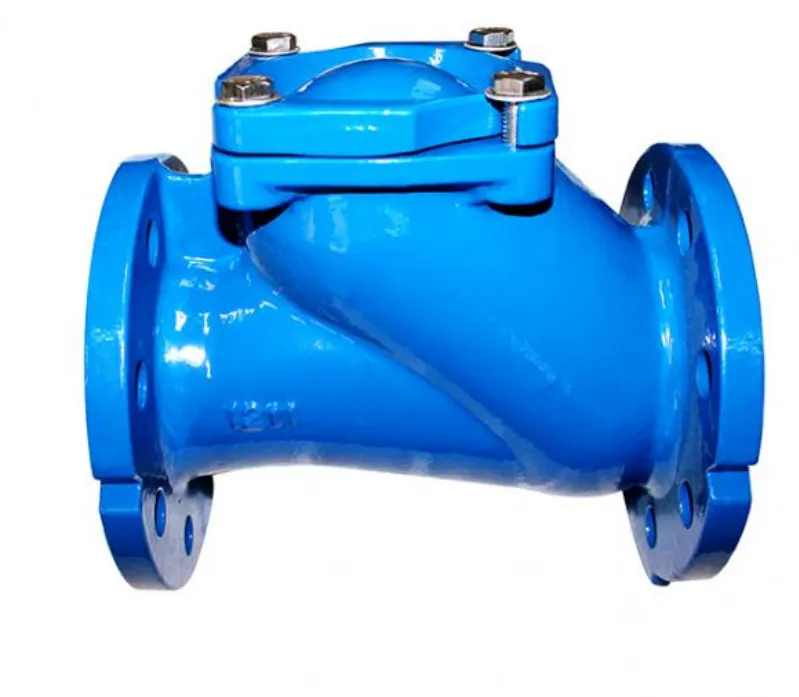
Valve Wholesale Quality Products & Competitive Prices
Valve wholesale is an integral part of numerous industries ranging from oil and gas to pharmaceutica
 English